


On 24–25 March 2026, the OECD hosted its 13th Policy Forum of the Education for Inclusive Societies project in Paris. The event brought together policy-makers, researchers, educators, youth leaders and international organisations to discuss the inclusion of learners with special educational needs (SEN).
The Forum opened with remarks from Paulo Santiago, Head of the Policy Advice and Implementation Division at the OECD, who welcomed participants and outlined the objectives of the meeting. This was followed by a keynote from Professor Susanne Schwab of the University of Vienna, who reviewed the evolution of SEN inclusion in research and policy and highlighted key considerations for future policy design.
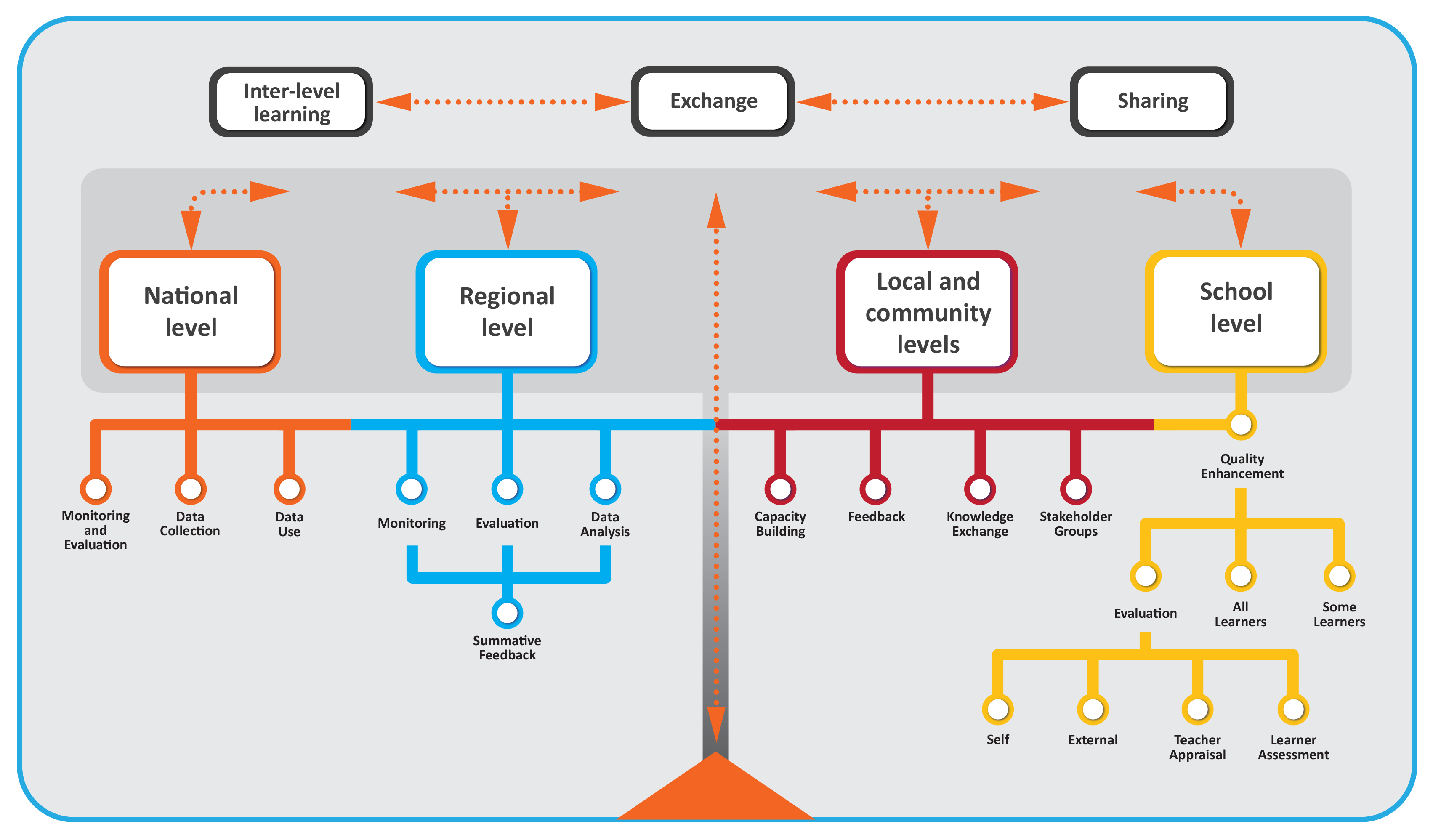
Across the two days, experts from multiple countries and organisations shared evidence and experiences on effective approaches to supporting learners with SEN. In a panel on monitoring systems, EASNIE Director Jo?o Costa focused on data collection, outlining the importance of collecting data for effective inclusive education approaches and presenting the European Agency Statistics on Inclusive Education, and emphasising the need to complement quantitative data with qualitative monitoring and evaluation practices. For this purpose, he presented the framework and tools developed under the Quality Assurance, Monitoring and Accountability activity. Other panel sessions explored leadership for inclusive education, building teachers’ capacity to support learners with SEN, and collaboration across services and sectors.
The closing panel brought future-focused perspectives on strengthening inclusive education. Participants included Dr Costa, Professor Schwab, Rory Mcgann (OECD Trade Union Advisory Committee) and Tanya Marwaha (OECD Youthwise 2025). The panellists offered a forward-looking perspective on the future of inclusive education, emphasising the need for coherent system-level approaches to strengthen the inclusion of learners with SEN. They reflected on how the inclusion of learners with SEN may evolve in the future and identified key goals that education systems should strive towards.
The Forum concluded with remarks from Paulo Santiago and Lucie Cerna from the OECD’s Directorate for Education and Skills, who summarised key messages and invited participants to share feedback.